
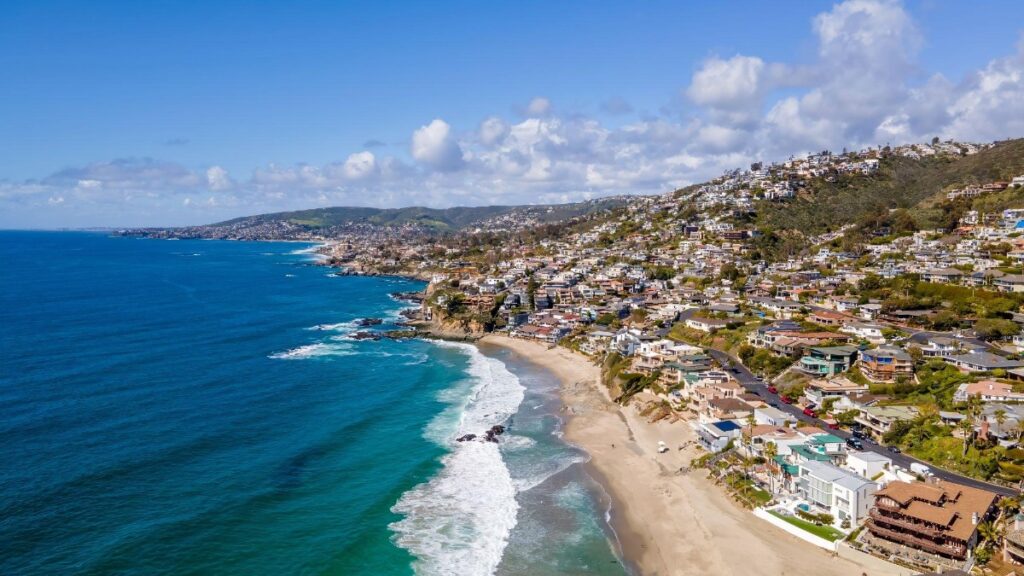
Laguna Beach recently experienced a temporary ocean water closure near Thalia Street Beach after approximately 2,000 gallons of sewage were released into coastal waters due to a force main pump failure.
The Orange County Health Care Agency immediately issued an advisory and closed a portion of shoreline as a precaution while water quality testing was conducted. The impacted area remains closed until conditions meet state health standards for public safety.
While events like this often generate headlines, what matters more for residents and buyers is understanding how quickly these situations are contained—and how coastal infrastructure is designed to respond.
What actually happened
According to the Orange County Health Care Agency (Environmental Health Division), the spill occurred when a sewer force main pump malfunctioned, allowing untreated wastewater to enter the ocean near Thalia Street Beach.
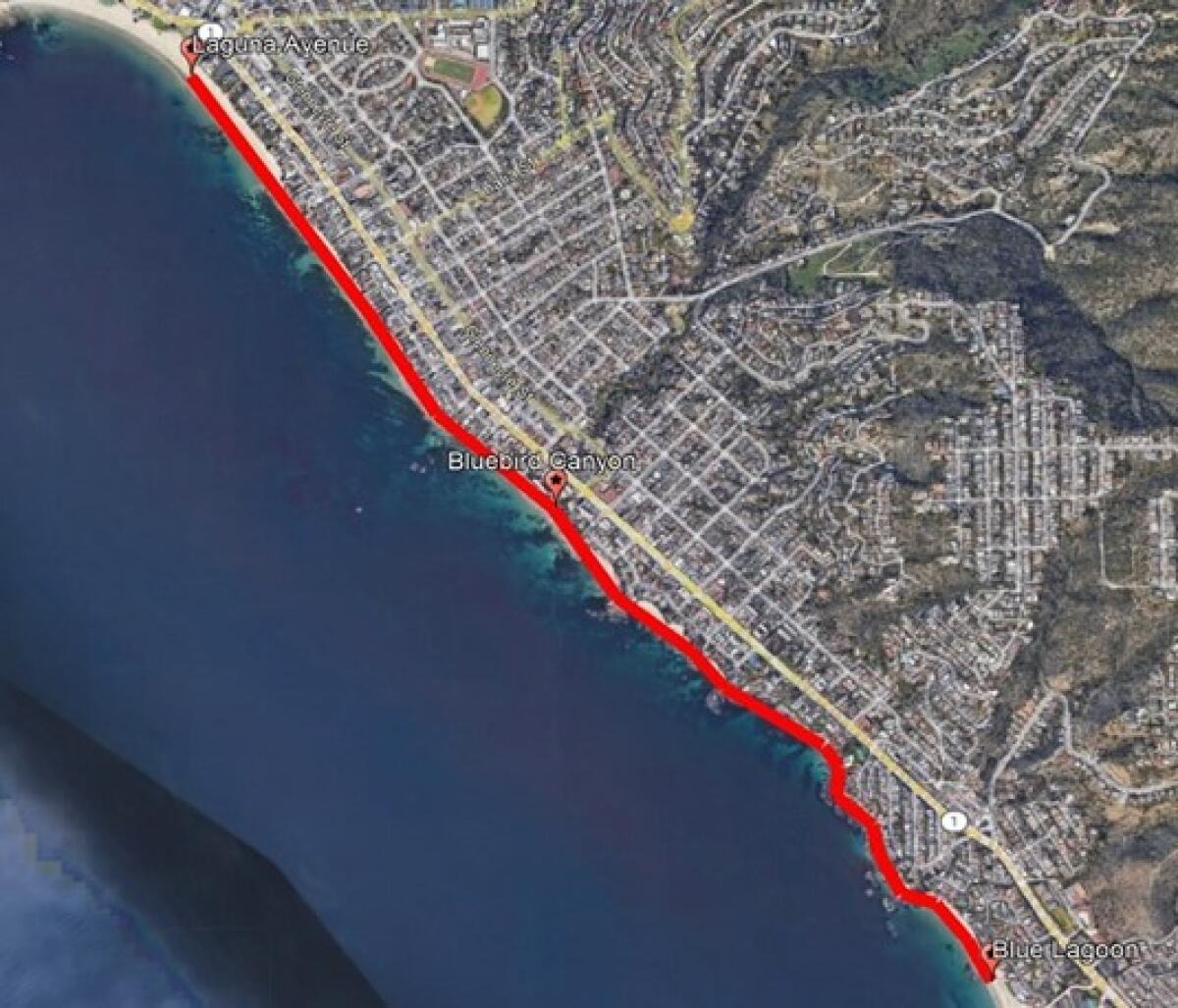
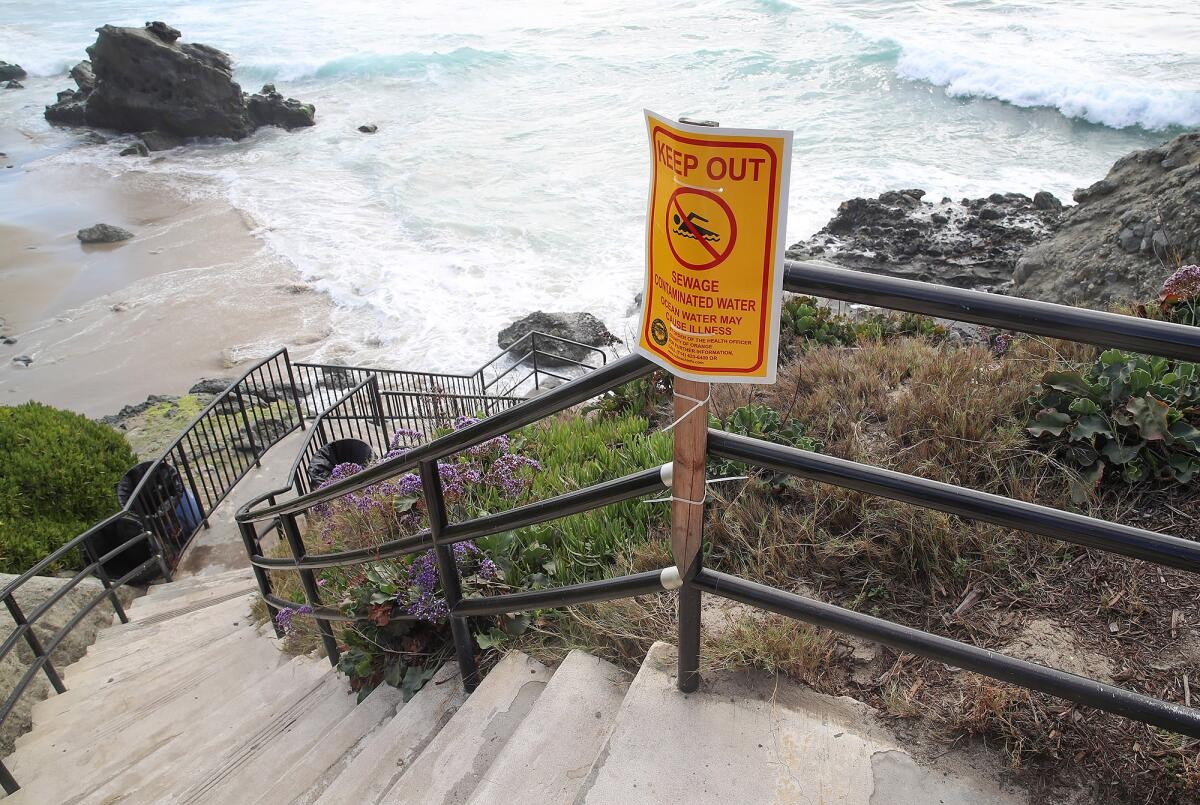
The affected shoreline was immediately closed to swimming, surfing, and diving while testing began. The closure spans a localized section of coastline and remains in place until water quality results confirm safe conditions.
Officials confirmed that closures are temporary and data-driven, based entirely on water sampling results and California public health standards.
Official response from Orange County
The Orange County Health Care Agency stated that ocean water closures remain in place:
“for a minimum of three days and until follow-up water quality monitoring results meet acceptable standards.”
This reflects standard protocol across all Orange County coastal beaches. Areas are reopened only after consecutive water samples confirm safe conditions for public contact.
Supervisor Katrina Foley also noted that the Health Care Agency continues active monitoring of the area to determine reopening timelines.
Real-time updates are managed through Orange County’s official beach monitoring system, which tracks water quality conditions across the entire coastline.
How cleanup and recovery actually work
Once a spill occurs, the process is immediate and structured:
- The source of the spill is identified and isolated
- The impacted shoreline is closed to the public
- Water sampling is conducted at multiple points along the coast
- Results are monitored until they meet California health standards
- The beach is reopened once consecutive clean readings are confirmed
In most cases like this, closures are temporary and highly localized, typically lasting a few days depending on tide movement and testing results.
For residents, this means beaches often reopen quickly once safety thresholds are met.
Why this happens in coastal cities like Laguna Beach
Laguna Beach is one of the most geographically complex coastal cities in Southern California.
Unlike newer master-planned communities, its infrastructure has evolved over decades across:
- Canyon systems
- Blufftop neighborhoods
- Steep hillside terrain
- Older coastal utility corridors
Much of the system relies on a combination of gravity-fed sewer lines and pump-driven force mains to move wastewater across elevation changes.
That structure requires ongoing mechanical maintenance and periodic upgrades rather than a single uniform system rebuild.
Events like this are not unusual in coastal environments—they are part of managing long-standing infrastructure within a dynamic coastal landscape.
What most people don’t see
From a resident or visitor perspective, Laguna Beach feels consistent: beaches, coves, and walkable coastal neighborhoods.
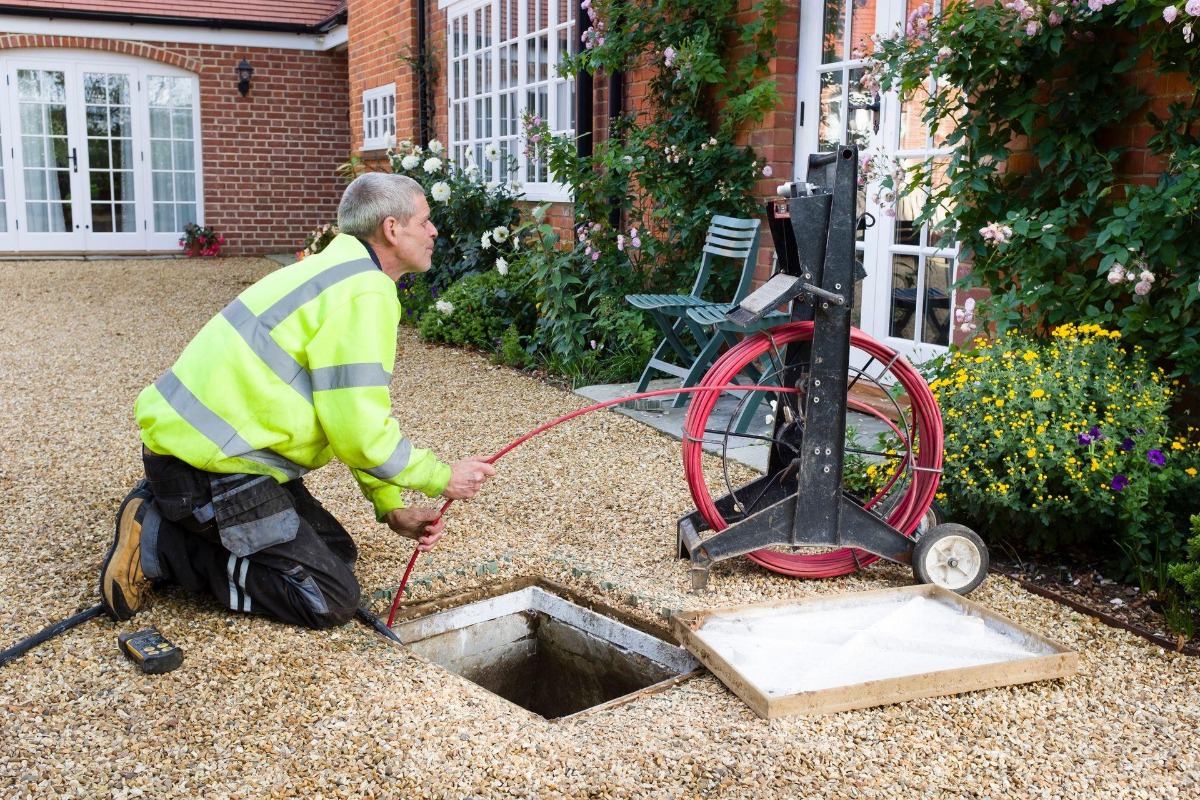
Below the surface, however, infrastructure varies significantly by location and property:
- Some homes are connected to fully modernized sewer systems
- Others rely on older lateral lines that connect to legacy infrastructure
- Select canyon and hillside properties may still operate on septic systems
- Underground utilities differ based on construction era, elevation, and terrain
This is why due diligence in coastal Orange County extends beyond standard home inspections. It is not about risk—it is about understanding the specific systems associated with a property.
A broader perspective on coastal infrastructure
Events like this are often misunderstood.
They do not indicate system failure—they reflect a system actively functioning as designed: respond, isolate, test, and restore.
Laguna Beach maintains some of the most closely monitored coastal water quality standards in California, with continuous testing and rapid response protocols across all public beaches.
Closures are typically short-lived, highly localized, and resolved through established environmental health procedures.
Helpful resources
- Orange County Beach Conditions (OC Beach Info): https://www.ocbeachinfo.com
- OC Health Care Agency Press Releases: https://www.ochealthinfo.com/press
- Beach hotline: 714.433.6400
- Sewage spill reporting: 714.433.6419